
Khatu, Rajasthan
Khatu Shyam Ji Temple
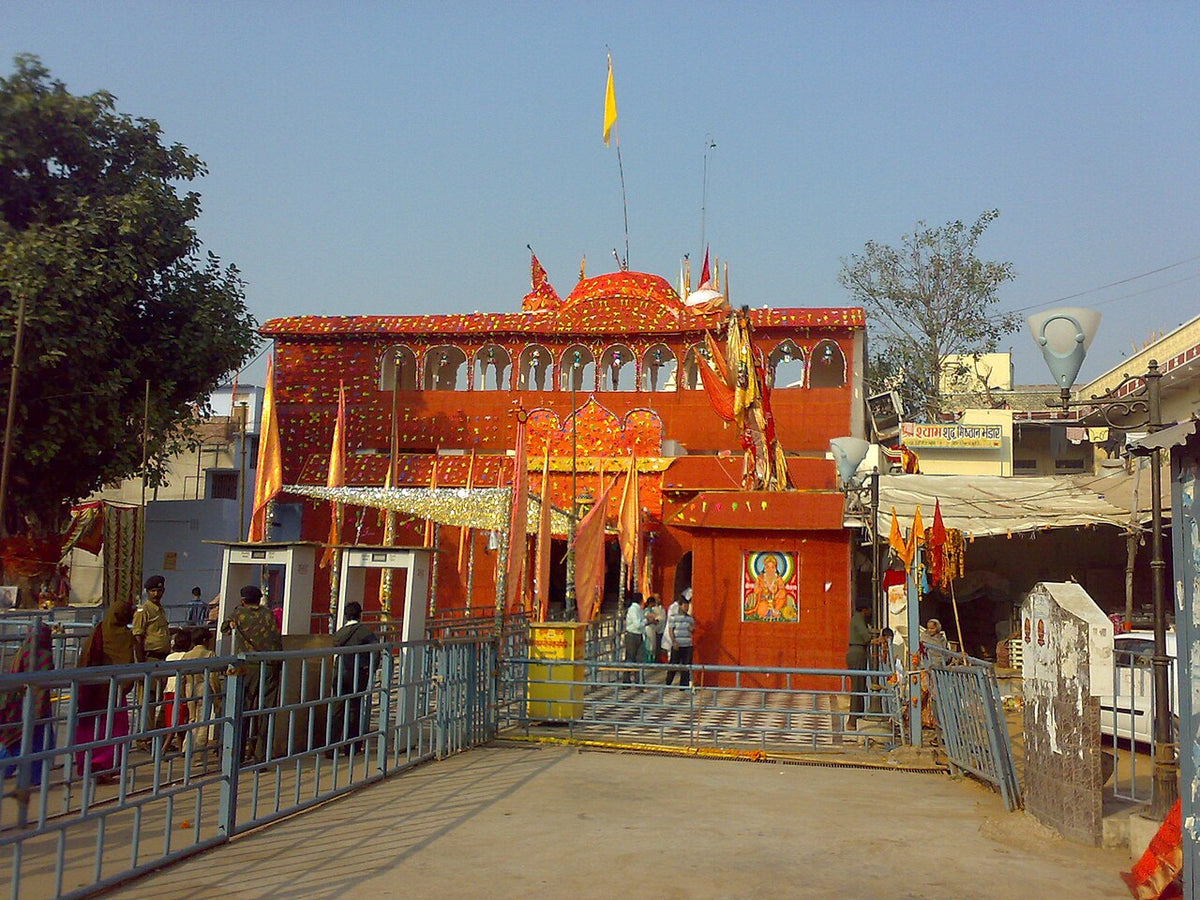
Khatu Shyam Ji in Rajasthan’s Sikar region is a major pilgrimage centred on surrender, remembrance and the devotional name Shyam. Its distinctive story belongs to the Mahabharata-related tradition of Barbarika.
Shyam Ji, associated with Barbarika and Krishna
Image source · Indrapal Jangid · CC BY-SA 3.0. Resized for display.

Main deity and devotional image


Shyam Ji, associated with Barbarika and Krishna
Khatu Shyam Ji in Rajasthan’s Sikar region is a major pilgrimage centred on surrender, remembrance and the devotional name Shyam. Its distinctive story belongs to the Mahabharata-related tradition of Barbarika.
History and sacred tradition
Tradition recounts Barbarika’s gift of his head to Krishna and the boon that he would be worshipped as Shyam in the present age. A later discovery narrative explains the sacred head’s installation at Khatu. These accounts convey devotion and sacrifice rather than a modern archaeological chronology.
Architecture and what to notice
The marble temple and decorated worship hall frame the darshan of Shyam Ji. Shyam Kund and the associated sacred landscape extend the visit beyond the principal shrine. Busy approach lanes and queues can limit leisurely viewing, so architecture and darshan may need separate attention.
Festivals and worship
The Phalgun fair is a major annual gathering, and devotional singing is an important part of the pilgrimage. Nishan processions and other group practices have their own arrangements. Check current festival access and transport rather than assuming that ordinary vehicle routes remain open.
A detail worth understanding
The name Shyam connects the temple with Krishna devotion, but the Barbarika narrative gives Khatu a particular identity. At home, devotional singing and simple flower worship can express that connection. The page belongs in Krishna browsing while preserving the full local explanation.
Special flowers and leaves for home puja
| Offering | Home-puja guidance |
|---|---|
| Flowers | Jasmine, rose and lotus |
| Leaves and other materials | Tulsi / tulasi leaves or a tulsi garland |
Tulsi has a special place in Krishna worship. Jasmine and rose are practical choices for a small home garland, while lotus can be reserved for a special occasion. Do not treat an elaborate festival flower display as a minimum requirement for everyday worship.
Choose fresh, clean flowers and remove packaging before offering. These are broader household traditions, not a claim that every temple accepts every listed item. Follow your family’s custom for special vratas and ceremonies.
Home puja products
Choose the flowers and basic supplies you need. Each card opens the actual product page; prices and availability come from the store.
Flowers and deity-specific offerings
 Tulsi (FL-TLS-008)$6.00View product →
 Malli / Jasmine Loose (FF-MAL-008)$8.00View product →
 Red Rose Buttons (FF-BRR-002)$6.00View product →
 Pink Lotus (FF-LOP-011)From $2.00View product →
Home-puja essentials
 Brass Gulab Jyoti Deepam – 2 Inch Lotus Diya$5.40View product →
 Poo Thiri (Puja Lamp Wicks)$1.00View product →
 Pooja Deepam Oil (Diya / Vilakku Oil)$2.00View product →
Prepare a clean prayer space, water and a modest food offering according to family custom. Place the lamp securely, use oil suitable for it and keep flames away from flowers and fabric. Incense, a bell or additional vessels are optional; a simple daily prayer does not require every item.
Nearby temples and pilgrimage stops
Local shrines and longer regional options are distinguished below. Map links help you plan the journey; guide links appear where a separate page is available.
Shyam Kund
Khatu
A local sacred water site connected with the discovery tradition.
View on map →Salasar Balaji Temple
Salasar, Rajasthan
A longer regional Hanuman pilgrimage requiring a separate journey.
View on map → · Read guide →Location and planning your visit
Khatu, Rajasthan
Plan through the Sikar/Jaipur region and check current road arrangements during the Phalgun gathering. Allow realistic time for queues and the final pedestrian approach.
Check the linked temple or government sources for current timings, festival dates, permitted offerings and entry rules.
Find this temple on the map →Sources and image credits
Historical accounts and sacred traditions are distinguished in the guide. Consult the source pages for fuller context and current visitor information.
Temple image: Image source · Indrapal Jangid · CC BY-SA 3.0. Resized for display.
Devotional image: Image source · Raja Ravi Varma · Public domain. Resized for display.